


AI in Development: How to Stop Shadow AI and Empower the Business Without Losing IT Control
August 10, 2026
The Invisible Risk in Procurement: Do You Really Know Who You’re Doing Business With Today?
August 12, 2026Is Your Procurement Department a Cost Center or a Value Driver?
Traditionally, the success of a procurement department was measured by one simple metric: cost savings (cost savings). If you managed to lower the price per unit or negotiate longer payment terms, the job was done.
However, today’s business environment has made one thing clear: buying at a lower price means nothing if the supplies arrive late, quality fails, or the supplier goes out of business halfway through the project.
Today, the most influential procurement leaders are not those who push hardest during negotiations, but those who turn their supplier ecosystem into a competitive advantage.

From oversight to strategic collaboration
When the relationship with a supplier is purely transactional, interactions are limited to sending purchase orders, following up on overdue invoices, and putting out fires when something goes wrong. This dynamic creates friction, distrust, and a significant administrative burden that consumes teams’ time.
By contrast, when you transform that relationship into a collaborative partnership, three fundamental things happen:
- Open innovation: Suppliers know their industry better than anyone. If you give them the space and seamless channels to interact, they can propose improvements in materials, logistics efficiencies, or more sustainable alternatives.
- Priority in times of scarcity: In the event of a global stock shortage or an unexpected crisis, suppliers will always prioritize customers who are easy, transparent, and efficient to work with.
- Resilience and risk mitigation: Shared visibility makes it possible to identify compliance, sustainability, or financial solvency risks long before they become operational problems.
The real bottleneck: Operational bureaucracy
To achieve this strategic vision, procurement teams face one major obstacle: time. It is impossible to focus on supplier development or risk analysis if 70% of the day is spent answering emails about payment statuses, manually reviewing expired certificates, or chasing outdated information.
Elevating the role of procurement requires freeing the team from administrative busywork. This is where technology evolves from being a data repository into an enabler of stronger relationships.
Technology with purpose: The role of Deyel Vendor Management
Making this leap in maturity does not require adding more bureaucracy or implementing complex systems that no one wants to use. What is needed is to centralize, bring transparency to, and automate daily interactions.
This is the approach behind Deyel Vendor Management, a solution designed not only to provide control, but also to simplify day-to-day operations for both internal procurement teams and suppliers.
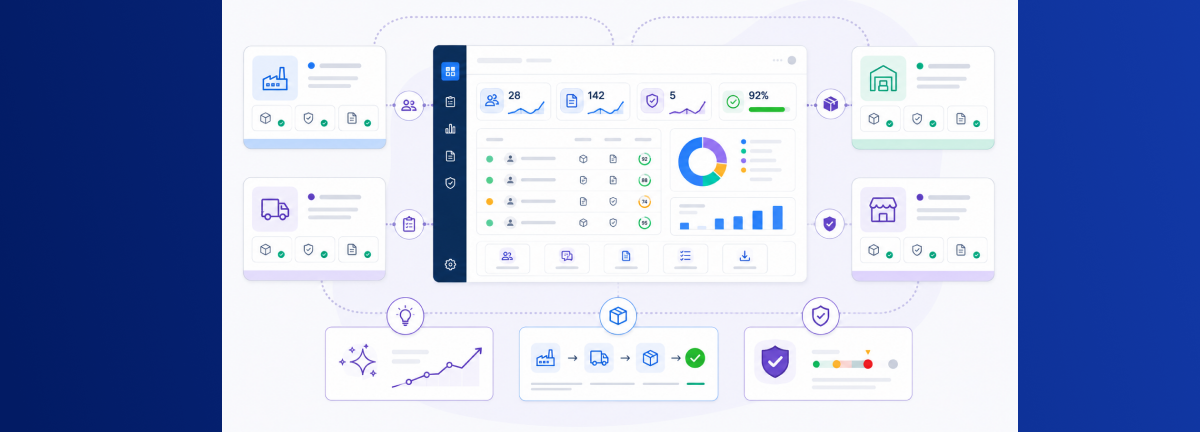
Through an intuitive and collaborative portal, Deyel Vendor Management enables you to:
- Eliminate friction from day one: A guided digital onboarding process where suppliers can manage their own documentation and data without constant email back-and-forth.
- Real-time transparency: Suppliers can independently check the status of their invoices and payment dates, drastically reducing calls and operational interruptions.
- Objective performance evaluation (KPIs): Move from subjective perceptions to real data on on-time deliveries, quality, and regulatory compliance, enabling fact-based supplier development conversations.
- Proactive risk management: Automated alerts help keep tax and legal documentation up to date at all times, protecting the organization without overburdening the team.
Procurement as a strategic business partner
The future of supplier management is not about digitizing today’s chaos, but about building an agile, transparent, and secure ecosystem.
By automating day-to-day operations with tools such as Deyel Vendor Management, procurement professionals move beyond administrative tasks to become true strategic analysts: professionals focused on capturing value, mitigating risks, and building strong business relationships that drive growth across the entire organization.
