


Modeling vs. Code: Strategies to Reduce Enterprise TCO
February 12, 2026
Deyel vs. Lovable: Which one to choose for developing mission-critical enterprise applications?
March 17, 2026Technological Sovereignty: How to Avoid Vendor Lock-in in Mission-Critical Applications
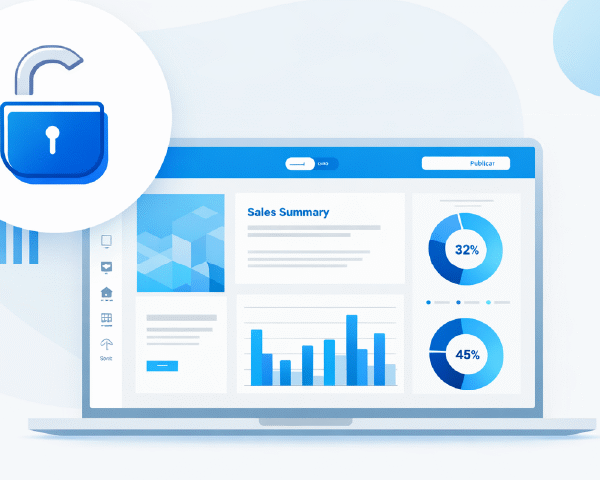
In the era of Cloud Computing, many companies have discovered an uncomfortable truth: the initial agility of some SaaS (Software as a Service) offerings can, over time, turn into a dependency trap. When the software that manages the core of your business depends entirely on the cloud and on a third party’s conditions, the company loses its technological sovereignty.

The risk of Vendor Lock-in in enterprise software
“Vendor Lock-in,” or provider lock-in, occurs when the cost or technical difficulty of migrating to another solution is so high that the company is forced to continue using a service, even if it no longer meets expectations for price, security, or performance.
For mission-critical applications (those whose failure halts business operations), lock-in represents far more than a technical inconvenience; it is a financial risk that threatens business continuity.
Hybrid architecture: The value of flexibility
Unlike closed platforms that force execution in their own cloud, Enterprise-class solutions must offer deployment freedom. This is where sovereignty becomes tangible:
- Cloud flexibility: The ability to run solutions in private clouds, public clouds, or hybrid models.
- On-Premise option: For sectors with strict data regulations (such as banking, healthcare, or government), installing the platform on on-premise servers ensures security and full control.
This versatility ensures that, in the face of changes in a provider’s policies or external instabilities, the organization retains full access to its intellectual property and data.
Ownership of logic: Beyond hosting
True sovereignty lies in ownership of business logic. In previous articles, we analyzed how the Metadata Model enables the intelligence of your processes to be documented and structured. This avoids “dark” or proprietary code that often traps companies in solutions that are impossible to migrate.
According to studies by IDC, companies that maintain a hybrid cloud strategy and avoid total lock-in achieve 35% greater operational resilience in the face of technological disasters or unexpected market changes.
Control as a competitive advantage
Adopting high-productivity tools should not mean giving up control of your infrastructure. Smart investment in technology is about scaling quickly today while ensuring that the software remains a proprietary asset tomorrow, regardless of external factors.
Platforms like Deyel align with this vision: they deliver the power of a modern AI and Low Code solution, combined with the freedom of On-Premise or private cloud deployment. This allows organizations to innovate with confidence, ensuring operational continuity and full control over their digital future.
